
Understanding Microwaveable Packaging: Safety, Materials and Performance
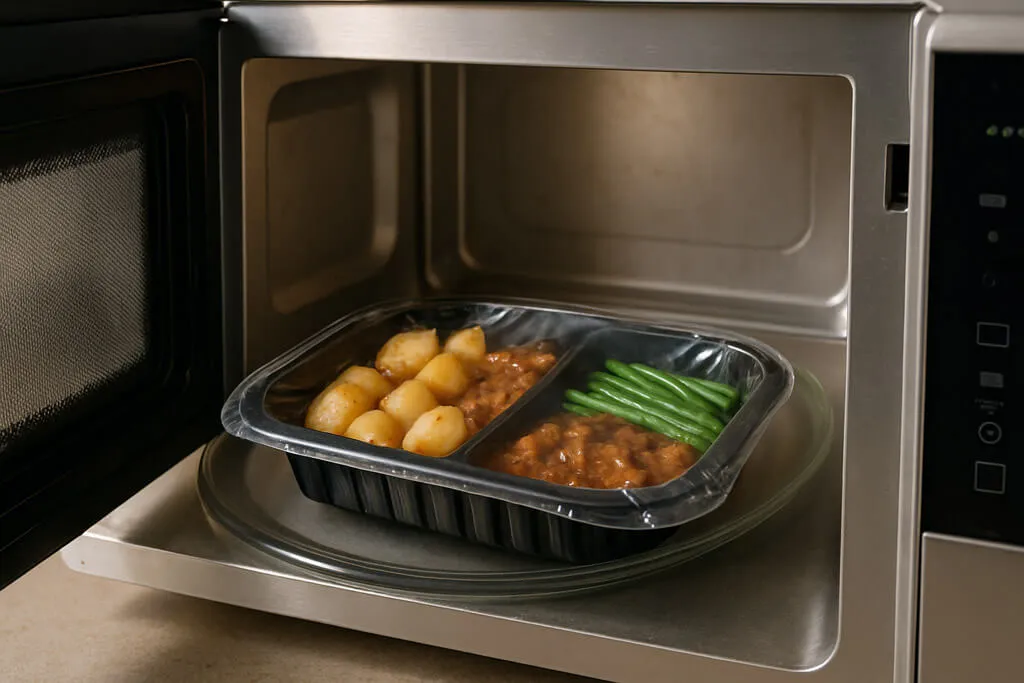
As modern lifestyles evolve, convenience remains king. Nowhere is this clearer than in the growing demand for microwaveable packaging – a solution that enables consumers to heat food quickly and safely without transferring it to another container. But what makes packaging truly microwave-safe, and how can businesses be sure their products meet the required standards?
Let’s explore the essentials of microwaveable packaging and why testing its resistance is crucial for manufacturers, packaging developers, and food companies alike.
What Is Microwaveable Packaging?
Microwaveable packaging refers to materials designed to withstand the heat and conditions inside a microwave oven without degrading, releasing harmful substances, or altering the food’s taste and quality. While most consumers simply look for the microwave-safe symbol, behind that simple icon lies a complex interplay of material science, thermal resistance, and safety standards.
These packaging solutions can include trays, films, and disposable microwave safe containers, which are particularly popular in ready meals, catering services, and food delivery applications. But not all containers marketed as “microwave-safe” undergo rigorous testing – a gap that can have real consequences for both consumers and brands.
Why Does Microwave Resistance Matter?
Microwave heating subjects packaging to rapid temperature changes and moisture exposure. If the material isn’t suitable, it may melt, deform, or release hazardous substances. Worse still, poor performance can lead to uneven heating or packaging failure during use.
From a business perspective, using microwaveable packaging that hasn’t been properly assessed can result in product recalls, loss of consumer trust, or even regulatory non-compliance. This is particularly critical for companies introducing innovative materials or targeting international markets where safety regulations differ.
Key Materials in Microwaveable Packaging
Not all plastics or paper-based materials are created equal. Some of the most commonly used materials in disposable microwave safe containers include:
- Polypropylene (PP) – known for its excellent thermal stability and affordability.
- CPET (Crystallised Polyethylene Terephthalate) – ideal for dual oven use, offering high heat resistance.
- Paperboard with barrier coatings – sustainable alternatives gaining traction but requiring strict control to ensure microwave compatibility.
The combination of base material and additives, as well as the design of the packaging itself, affects its microwave performance. Hence, standardised testing plays a vital role in validating product safety and functionality.
When Confidence Matters: Test Your Microwaveable Packaging
If your company manufactures or supplies microwaveable packaging or disposable microwave safe containers, ensuring resistance under real microwave conditions isn’t just a quality assurance checkbox – it’s a brand protector.
Whether you’re developing new products, sourcing packaging from suppliers, or entering markets with specific regulatory frameworks, professional testing of microwave resistance can give your company a competitive edge.
At AIMPLAS, we support companies across the packaging value chain with a wide range of technical and laboratory services. Our expertise helps you verify performance, optimise materials, and comply with food contact legislation.
Invest in safety. Validate with confidence. Position your packaging for success.