
Compostable labels on fruit and vegetables: Everything you need to know before 2028
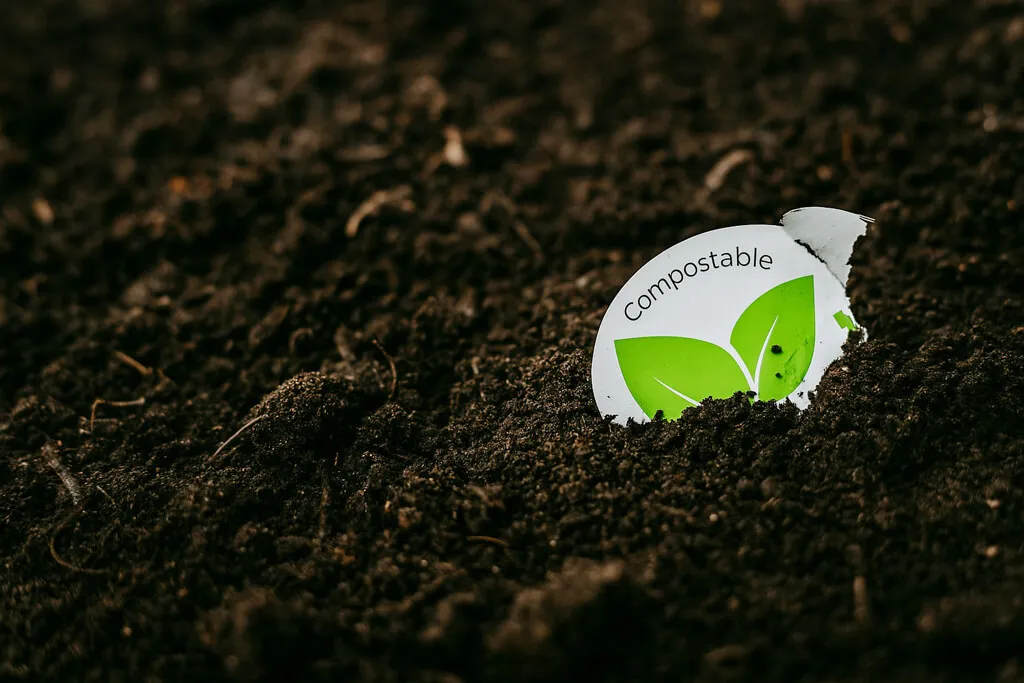
A New European Requirement That Will Transform the Market
The European Union has approved the Packaging and Packaging Waste Regulation (PPWR 2025/40), which introduces major changes in packaging management. One of the most significant for the fruit and vegetable sector is that, from 12 February 2028, adhesive labels applied directly to fruit and vegetables will be considered packaging and must be compostable in industrial composting facilities.
This means that traditional polyethylene or polypropylene labels will have to be replaced by certified materials capable of biodegrading without leaving plastic residues.
Why Must Labels Be Compostable?
The small labels found on apples, pears or tomatoes are rarely removed before consumption. As a result, they often end up in the organic waste fraction, contaminating compost and hindering the valorisation of biowaste.
Under the new regulation:
- Microplastics in compost will be prevented.
- The quality of the final compost will be improved.
- Consumer confidence in waste management will be strengthened.
What “Compostable Label” Means
For a material to be considered compostable, it must comply with standards such as EN 13432, ASTM D6400 or ISO 17088, which ensure:
- At least 90% biodegradation within six months.
- Disintegration into fragments smaller than 2 mm after 12 weeks.
- No toxic effects on plants.
- Controlled levels of heavy metals.
These requirements apply to all components of the label — including the backing, adhesive, inks and coatings.
An Opportunity for Businesses
Although the measure may seem challenging, it actually represents an opportunity for innovation and differentiation:
- Anticipate the regulation and avoid potential penalties.
- Offer a product aligned with the principles of the circular economy.
- Strengthen a sustainable brand image among retailers and consumers.
There are already manufacturers that have developed certified compostable labels, though there remains room for innovation — particularly in the areas of adhesives and compatibility with different printing technologies.
How to Prepare for 2028
Companies that work with packaged or labelled fruit and vegetables should begin to:
- Review their current materials and verify whether they meet compostability requirements.
- Collaborate with specialised laboratories equipped to carry out biodegradability and compostability testing, recognised by certification bodies.
- Plan the transition with suppliers to avoid bottlenecks once the regulation becomes mandatory.
Compostable labels are not just a legal requirement, but also a competitive advantage. Early adoption will enable fruit and vegetable producers and packers to comply with European legislation while demonstrating a genuine commitment to sustainability.
At AIMPLAS, we support companies in certifying these labels to adapt to the regulatory changes that will affect these products. Contact us for more information.