Select Page
Areas

Circular Economy

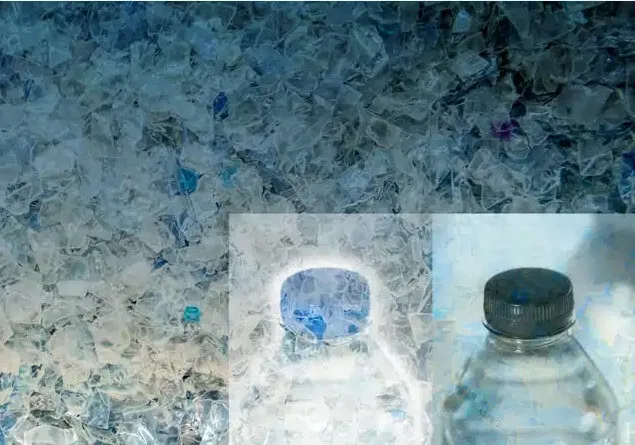
The transition to a circular economy of plastics is crucial for a sustainable future. Recovering, reusing and extending the life of plastic materials is an opportunity to protect the environment, create business opportunities and help build a better world. Join the change, join the circular economy.
See video
SDG

AIMPLAS is aligned in this area with the following SDGs (Sustainable Development Goals).

The world is advancing at a rapid pace in all aspects and is constantly growing, resulting in a higher and higher demand for products and resources. Plastic materials are key to the Circular Economy model because of their potential to be recovered and used as a resource.

In order to make sustainable growth possible, it is necessary to make the leap to a development model that reduces the amount of resources needed to make new products and that is capable of addressing the waste that it creates.

This means moving on from a linear model based on a “use and throwaway” ideology to a new one, called the Circular Economy. The European Union is opting for this model as it could reduce urban waste by up to 65% by 2030.

Why is Circular Economy for Plastics necessary?

In this new model, plastic materials are necessary because they offer considerable benefits as they are capable of being recovered and reused as resources.

The Circular Economy offers answers to the challenge of environmental sustainability and can also be adopted by companies as a business opportunity. Improving designs and management systems and extending the life of plastics can generate new jobs, reduce greenhouse gases and lower dependence on fossil fuels.

At AIMPLAS we are convinced that the Circular Economy is a great business opportunity for companies but above all for society and the environment, making both growth and development possible whilst being kind to nature and taking care when it comes to natural resources.
Research lines

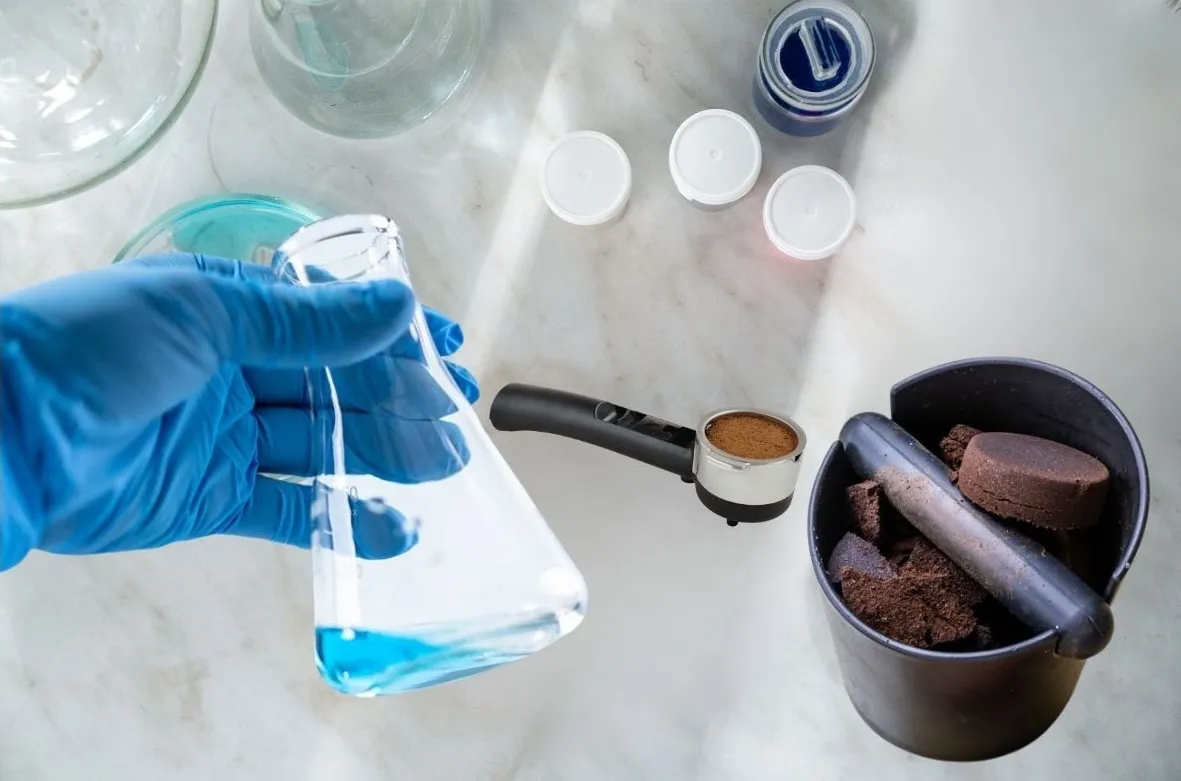
Ecodesign and Traceability
  • Safe and Sustainable by Design (SSbD) Product Design.
  • Development of new impact assessment, data and traceability tools.
  • Ecodesign, recyclability, reusability, repairability.
  • Digital Product Passport, eco-labelling and traceability.
Waste Management​
  • Identification and separation of waste and mixed plastics.
  • Analysis of industrial symbiosis systems.
  • Management systems for the containment, detection and removal of plastic pellets from the environment.
  • Methodology for detecting impurities in recycled materials.
Mechanical Recycling​
  • Incorporation of recycled materials into new applications and property enhancement.
  • Compatibilisation of plastic and non-plastic waste.
  • Extraction of high value-added substances.
  • Removal of toxic and hazardous substances in plastic recycling.
Chemical and Biological Recycling
  • Chemical recycling technologies for obtaining monomers, oligomers and other value-added products.
Recycling of complex materials
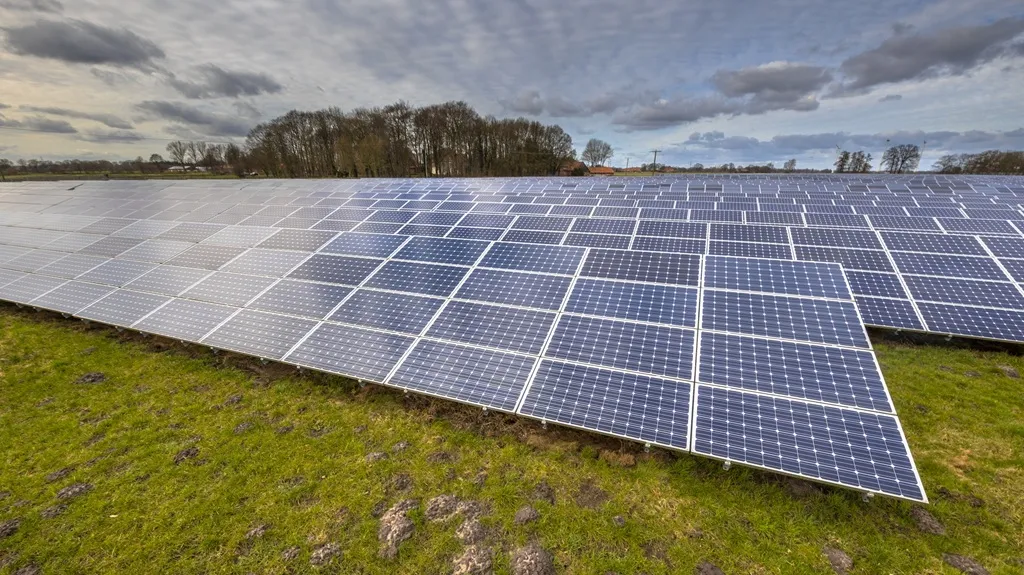
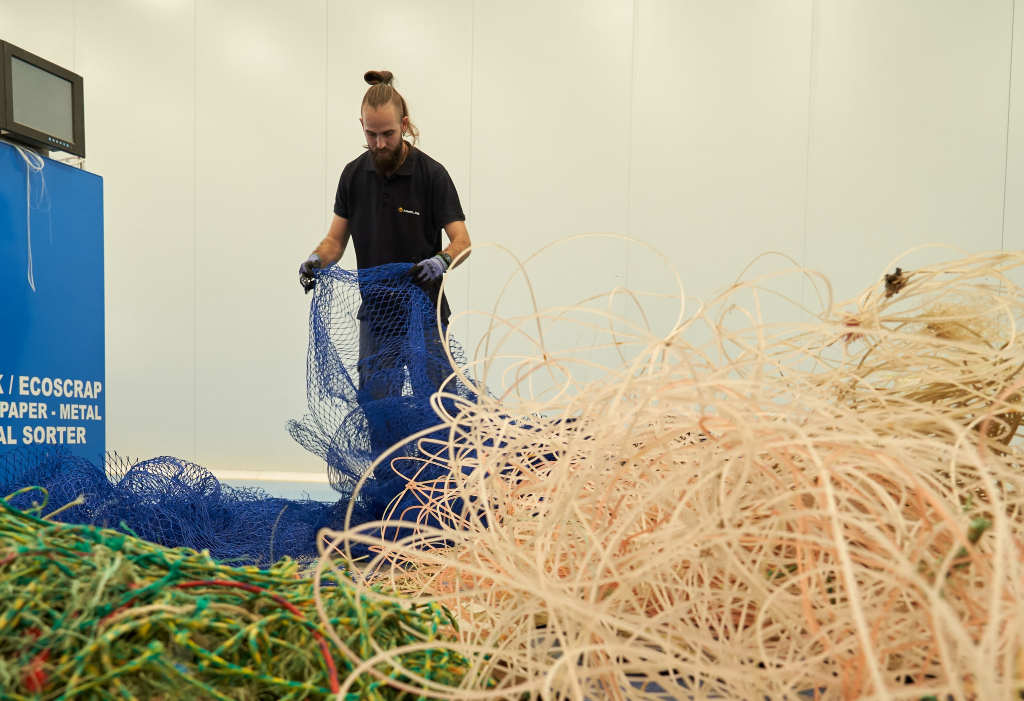
  • Combining mechanical and chemical recycling techniques: elastomers, mixed plastics, textiles, thermoset resins, batteries, photovoltaic panels, marine litter, etc.
Materials from Renewable and Biodegradable Sources​
  • Synthesis of bio-based polymers and copolymers.
  • Intensification of non-conventional synthesis processes.
  • Synthesis of catalysts for biopolymer production.
Biotechnology​
  • Fermentation processes to obtain monomers and/or polymers from polymer recycling.
  • Degradation of microplastics.
  • Identification, expression and production of enzymes.
  • Selection and improvement of micro/macroorganisms (bacteria and fungi).
Use of Biomass​
  • Development of composites based on: bio-polymers, bio-resins, natural fibres and fillers, natural-origin additives, recycled plastics, etc.
  • Modification of natural polymers.
  • Agro-industrial by-products for plastic functionalization.
  • Separation of biomass components.
  • Methodology for accelerated analysis of industrial compostability and biodegradability in aqueous environments.
  • Production/modification of biochar.

Certifications

Circular Economy projets
Soluciones reales para tu empresa en #EconomíaCircular

La Economía Circular va a implicar cambios para la industria del plástico, desde AIMPLAS te proponemos distintas soluciones para aplicar a tu modelo de negocio.  #TiempoDeActuar
Soluciones Economía Circular plásticos