
Greenwashing Directive: Impact on the Plastics Industry
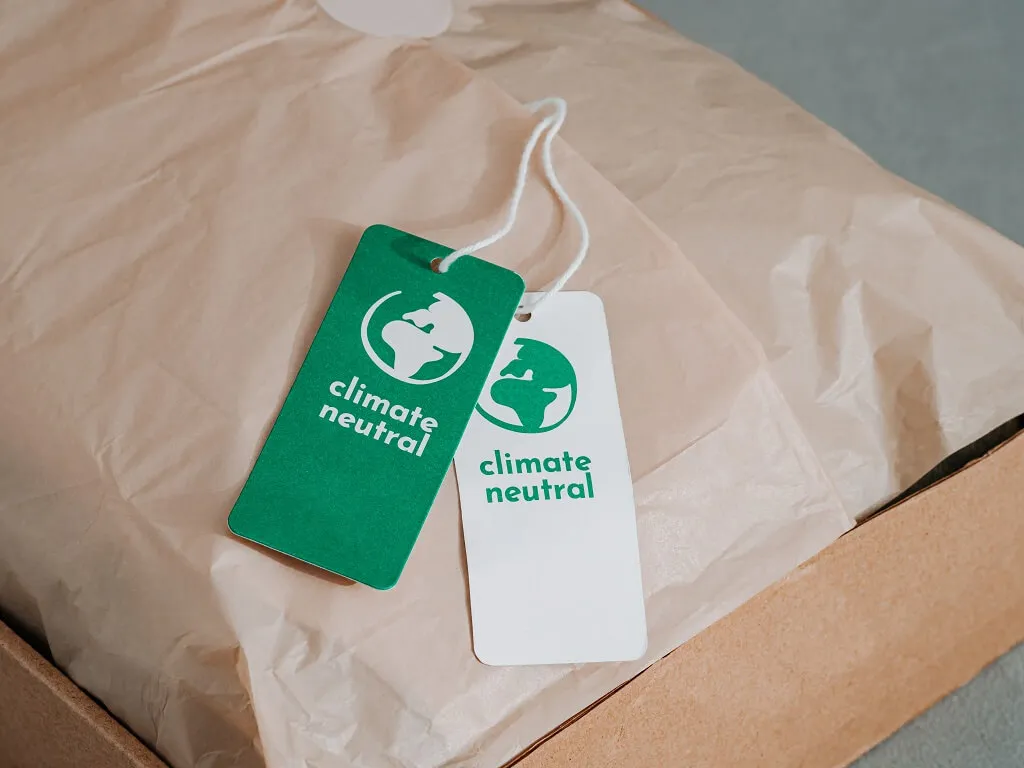
As an effort to neutralize environmental misinformation and promote transparency in the market, the European Union has approved “Directive 2024/825 on empowering consumers for the ecological transition through enhanced consumer protection against unfair practices and better information,” commonly known as the Greenwashing Directive.
This legislation seeks to prevent the use of misleading environmental claims and unreliable and non-transparent sustainability labels and information tools, requiring companies to back up their sustainability commitments with verifiable data. The plastics industry, like many other sectors, will need to adapt to this regulation to comply with the requirements for clear, accurate, and validated information on the sustainability of their products, processes, and business practices.
What is greenwashing and what does the new directive say?
Greenwashing is a marketing strategy in which a company exaggerates or misrepresents its environmental efforts to improve its image with consumers. With growing social concern for sustainability, many brands have used terms such as “biodegradable,” “eco-friendly,” or “sustainable” on their products without any evidence to support them.
The new EU directive sets tougher rules for environmental claims. Among its main requirements are:
- Prohibition of generic or unsubstantiated claims: Companies will not be allowed to use general terms such as “environmentally friendly” without reliable and verifiable evidence and without overstating the environmental benefits.
- Greater transparency in eco-certifications and labels: Only certifications with robust and audited criteria may be used.
- Penalties for misleading advertising: Authorities may impose significant fines on companies that do not comply with the regulations.
- Obligation to demonstrate environmental improvements: If a company claims that one product is more sustainable than another, it must provide clear and verifiable comparative data.
Deadlines and scope of application of the directive
The provisions of the Anti-Greenwashing Directive will apply to all companies operating in the European market that use environmental claims via the marketing of their products or services.
- Date of entry into force: EU Member States have until March 27, 2026, to adapt the Directive to their national legislation and will apply the provisions from September 27, 2026. This means that companies must start preparing for compliance now.
- Companies affected: All organizations, regardless of size, that make environmental claims about their products or processes will be subject to the directive. This includes every entity from manufacturers and distributors to retailers and service providers.
- Review and compliance: Control and monitoring mechanisms will be established at the national level to ensure that environmental claims comply with the transparency and truthfulness requirements of the directive.
How will it affect the plastics industry?
The plastics industry faces a scenario where transparency will be key. Some of the direct implications of the directive include:
- Greater regulation on labeling: Companies will have to provide detailed and verifiable information on the recycled content, recyclability, and carbon footprint of their products.
- Review of communication strategies: It will be essential for companies to review their advertising campaigns and corporate communications to avoid ambiguous statements.
- Demonstration of the circularity of materials: To comply with the directive, scientific studies will be required to support any claims about the recyclability or sustainability of the plastics used.
- Impact on eco-design and production: The regulation will drive greater investment in innovation to develop more sustainable plastics with verified life cycles.
How can AIMPLAS help companies?
In this context, having the support of technology centers such as AIMPLAS will be key for companies to adapt to the new directive. At AIMPLAS, we can help the plastics industry through:
- Material analysis and certification: We carry out recyclability and recycled content studies in accordance with european regulations, helping companies to validate their environmental claims.
- Development of innovative solutions: We work on the development of more sustainable plastics, including biodegradable, recyclable, and lower environmental footprint materials.
- Communication and labeling advice: Our team of standards and regulations specialists offers guidance to ensure that product eco-claims comply with the new regulation, helping companies avoid penalties and improve the transparency of their communication.
- Specialized training: We organize courses and seminars to provide companies with detailed information on the directive and best practices for compliance.
A step towards a more transparent and sustainable industry
The new Directive on fighting greenwashing represents a major step forward in the struggle to address environmental misinformation and will help consumers make more informed decisions. For the plastics industry, this regulation is a challenge, but also an opportunity to stand out with truly sustainable products and verifiable information.
At AIMPLAS, we remain committed to supporting companies in this transformation process, promoting innovation and sustainability in the plastics industry. Adapting to the new Directive will not only be a matter of legal compliance, but an essential step towards a more transparent and responsible future.